


A Stage of Excellence for European Agricultural Engineering
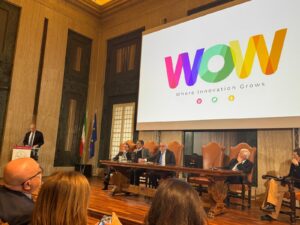
From September 21 to 24, 2025, the Mediterranean University of Reggio Calabria hosted the AIIA 2025 International Conference, the most anticipated event for the Italian and European agricultural engineering scientific community. Organized by the Italian Association of Agricultural Engineering (AIIA), the conference represents a crucial moment of dialogue on the challenges of the green transition in the primary sector, bringing together researchers, innovators, and professionals from across the continent.
The scientific program ranged from agricultural hydraulics to smart mechanization, from rural buildings to energy valorization, addressing strategic themes such as climate change, sustainable water resource management, precision farming, and circular economy applied to agri-food. A unique opportunity to share cutting-edge research and technological solutions that are redefining the future of Mediterranean and European agriculture.
Agritech Protagonist: Transforming Olive Oil Waste into Clean Energy
In this context of high scientific relevance, the Biomass & Waste Management Group of the Department of Agriculture, Forest and Food Science at the University of Turin presented the results of innovative research conducted within Spoke 6 of the National Agritech Center, dedicated to sustainable livestock systems and environmental impact mitigation.

The Environmental Challenge of the Olive Oil Industry
The olive oil extraction process generates enormous quantities of by-products in concentrated periods of the year, representing a significant environmental problem in Mediterranean areas. Extraction systems produce three main types of residues:
- Dry olive pomace (DOP): solid residue from the three-phase system
- Olive mill wastewater (OMWW): liquid effluent generally spread in olive groves
- Wet olive pomace (WOP): exclusive product of the two-phase system
These biomaterials present critical chemical characteristics – low pH, high volatile solids and polyphenols content – which, if improperly managed, can negatively impact soil properties and water quality.
The Solution: Anaerobic Digestion for Energy Recovery
🎯 Research objective? To transform an environmental problem into an energy and economic opportunity through anaerobic digestion (AD), a biotechnological process that enables energy recovery through biogas and quality digestate production.
The study focused on the energy valorization of OMWW, DOP, and WOP samples through the AD process, investigating the Biological Methane Potential (BMP) and biogas production dynamics.
Methodology and Extraordinary Results
The researchers led by Martina Friuli, L. Celi, and Elio Dinuccio conducted laboratory batch trials following the official UNI/TS 11703:2018 guidelines under mesophilic conditions for 40 days, using the liquid fraction of typical digestate as inoculum. Each trial was performed in quadruplicate, with a mixture of biomass and inoculum at a 1:2 ratio on volatile solids content.
📊 The experimental results revealed exceptional performance:
- Wet olive pomace without stones (WOP) achieved the highest BMP value: 576 normalized liters per kg of volatile solids
- Olive mill wastewater (OMWW) recorded 541 LN/kgVS
- The average methane content in the produced biogas reached 58% for both biomasses
These values represent extraordinary energy potential, demonstrating how olive oil residues can be transformed into a reliable source of renewable energy.
Concrete Impacts for the Sector
🌱 Benefits of the circular approach:
- Drastic reduction of the environmental impact of the Mediterranean olive oil supply chain
- Generation of high-yield biogas usable for producing electrical and thermal energy at zero kilometers
- Production of digestate as quality organic amendment, reducing dependence on chemical fertilizers
- Closure of the nutrient cycle with return of organic matter to the soil
- New business models for olive oil companies based on circular economy
- Concrete contribution to the decarbonization objectives of the Italian agricultural sector
From Research to Territory
The Spoke 6 Agritech research concretely demonstrates how collaboration between universities, research centers, and enterprises – a fundamental pillar of the PNRR project – can translate into technological solutions immediately applicable in the field. Italy, the leading European producer of olive oil, can transform its olive oil waste into a strategic energy resource, creating economic and environmental value throughout the entire supply chain.
Agritech’s participation in AIIA 2025 confirms the National Center’s central role in guiding the ecological transition of the primary sector, bringing Italian research to the most advanced standards of the European landscape and actively contributing to the creation of a resilient, competitive, and environmentally respectful agri-food system.